
Relocating to Kihei means planning for a warm South Maui lifestyle, a housing market with wide property-level differences, and everyday costs above the national average. Housing choices range from lower-maintenance condominiums to detached homes, but location, building condition, insurance, and association rules can shape the real monthly cost. This Kihei relocation guide explains the practical decisions that matter before moving, including housing costs, schools, work routines, climate, community character, and how to find a neighborhood that fits your plans.
Kihei Relocation Quick Reference
Kihei offers a beach-oriented South Maui lifestyle with practical services, varied housing choices, and ownership costs that deserve close attention. The figures below use the Kihei postal-city-area coverage published for this guide, which may be wider than incorporated city limits.
-
Median sale price: $959,500 across 654 reported sales in the Kihei aggregate. The recorded range extends from $80,000 to $9 million, showing how sharply property type, condition, ocean proximity, views, and permitted use can affect pricing.
-
Median household income: $72,079 per year. Household budgets vary substantially based on whether a move involves a condo, detached home, remote work setup, multiple vehicles, or frequent interisland travel.
-
Cost of living: The overall index is 116.7, compared with a U.S. benchmark of 100. Housing is indexed at 115.3, transportation at 113.1, and food at 115.2.
-
Population: The Kihei postal-city area has 25,236 residents. It combines residential neighborhoods with grocery stores, restaurants, beach parks, medical services, and businesses serving year-round households.
-
Average commute time: Kihei CDP workers had a mean travel time to work of 22.1 minutes in the U.S. Census Bureau’s 2020–2024 estimates. Actual drive times depend heavily on destination, start time, and the South Maui road network.
-
Biggest relocation draw: Lifestyle is the clearest pull factor. Kihei combines year-round beach access, warm temperatures, outdoor recreation, and a broader mix of condos and homes than more resort-centered parts of South Maui.
Kihei Relocation Market Snapshot
Kihei’s available figures show a market where property-specific comparisons matter more than a single headline number.
-
Median sale price: $959,500
Reported Kihei sales aggregate, 654 sales -
Cost-of-living index: 116.7
U.S. benchmark = 100 -
Median household income: $72,079
Kihei postal-city-area measure -
Population: 25,236
Kihei postal-city-area measure
The reported sales aggregate had a median price of $959,500 as of July 2026. This is a sale-price measure, while an owner-occupied home-value estimate uses a different methodology and should not be treated as interchangeable (Attom Data, as of 2026-07).
Why People Are Moving to Kihei
Kihei attracts relocators because it pairs South Maui beach access with everyday residential infrastructure and a housing mix that includes condos, townhome-style homes, and detached properties. Buyers can stay close to grocery stores, restaurants, fitness options, beach parks, and the South Kihei Road corridor without choosing a purely resort-oriented setting.
Lifestyle is a major consideration, especially for mainland buyers, retirees, and second-home owners who want outdoor routines to be part of daily life. Beaches, snorkeling access, paddle sports, walking routes, and open-air dining are integrated into the area’s rhythm rather than reserved for occasional outings.
The local economy also supports a year-round community. Accommodations and food services account for 28.81% of employed residents in the published local profile, while retail, construction, administration, and real estate also make up meaningful parts of the employment mix. That variety reflects both the visitor economy and the services required by local households.
For people commuting elsewhere on Maui, location within Kihei changes the daily experience. North Kihei can offer a more direct route toward Central Maui, while central and south areas place more beach access and neighborhood amenities nearby. The Kihei neighborhood profile provides a useful reference for comparing local housing and community indicators.
Cost of Living: Kihei vs Nearby Areas
Kihei costs more than the national average, while nearby South and Central Maui destinations can differ substantially based on coastal location, property type, and access to services.
| Area | Median home price context | Cost-of-living context | Household income context | Property tax context |
|---|---|---|---|---|
| Kihei | $959,500 reported median sale price | Index 116.7 | Median household income $72,079 | Classification and assessed value affect the bill |
| Wailea | Resort and shoreline homes commonly command a premium | Housing costs vary by property and location | Varies by household | Classification and assessed value affect the bill |
| Kahului | Pricing varies by neighborhood and property type | Daily-service access can shape spending | Varies by household | Classification and assessed value affect the bill |
| United States | Varies by market | Index 100 | Varies by location | Rates vary by jurisdiction |
Housing Market Overview
Kihei gives buyers a broad choice of property types, but the market is not uniform across condos, townhomes, and detached homes. The reported sales range of $80,000 to $9 million illustrates the difference that building age, ocean views, maintenance level, location, and permitted use can make.
Condominiums can suit relocators seeking lower-maintenance ownership, especially when a lock-and-leave setup is important. Before selecting a building, review monthly fees, reserve funding, master insurance coverage, maintenance history, and any use restrictions that affect your plans. Detached homes can offer more privacy, outdoor space, and flexibility, while townhome-style properties can provide a middle ground where available.
Monthly median sale prices in the reported series varied from $649,000 in June 2026 to $1.25 million in January 2026. That movement reinforces the value of comparing recent sales within the same property category rather than relying on one market-wide number.
Inventory and negotiating conditions can shift by price point and property type. A buyer considering Kihei should focus on the specific building, street, or residential pocket that matches their daily routine, budget, and preferred ownership responsibilities.
Neighborhoods and Communities in Kihei
Kihei offers several distinct residential settings, and the right choice depends on your housing preferences, driving patterns, and plans for using the property.
North Kihei can suit commuters and remote workers who want a practical route toward Central Maui and airport-area services. The housing mix includes condos, townhomes, and detached homes. Buyers often compare this area when they want beach access while keeping regular drives to Kahului or Wailuku in mind.
Central Kihei works well for people who value access to grocery stores, restaurants, parks, medical services, and everyday errands. Low-rise condo communities are common, with options ranging from older buildings to renovated complexes. Retirees, second-home buyers, and buyers seeking a more established residential rhythm often look here.
South Kihei is a strong fit for buyers who want Kamaʻole Beach Parks, dining, and shoreline recreation close to home. Condominiums, townhome-style residences, and detached homes all appear in the mix. Prices typically rise with ocean views, walkability, renovation quality, and proximity to the coast.
Larger-lot residential pockets near Kihei can appeal to buyers seeking more privacy, guest space, or room for outdoor living. These properties may suit long-term relocators and households planning extended stays rather than a purely lock-and-leave arrangement.
Jobs and Economy
Kihei’s economy is centered on visitor-serving businesses, retail, construction, property services, and the essential services used by full-time residents. Accommodations and food services represent 28.81% of employed residents in the published local profile, followed by retail at 10.02%, construction at 8.66%, administration at 8.06%, and real estate at 6.69%.
For relocators, job opportunities can connect to hospitality, restaurants, recreation, retail, construction trades, maintenance, healthcare support, and professional services. Many residents also travel to work elsewhere on Maui, so it is useful to test likely commute routes at the time of day you would actually travel.
The local median household income is $72,079, although individual budgets vary widely by profession, household size, and ownership costs. Remote workers should confirm internet availability, workspace layout, cooling, noise exposure, and backup connectivity for the specific home or condominium building under consideration.
Schools and Education
Kihei has public, charter, and private education options, with school fit depending on grade level, address, programs, and enrollment availability. The local profile identifies four elementary-level schools, three middle-level choices, and one high-school-level option.
Kamalii Elementary School is listed as a public PK–5 school with an 8/10 rating and a 17:1 student-to-teacher ratio. Kihei Elementary School is listed at 6/10 with a 15:1 ratio. Kihei Public Charter School serves grades KG–12 and is listed at 5/10 with a 19:1 ratio. Montessori Hale O Keiki is a private PK–7 option with a 5:1 student-to-teacher ratio.
Ratings offer one reference point, not a complete picture of school fit. Families should confirm current enrollment requirements, transportation, programs, attendance information, and any address-specific eligibility before choosing a property. School information can change, so direct confirmation with the applicable school remains important during a move.
Climate and Lifestyle
Kihei has a warm, relatively dry coastal climate that supports outdoor living throughout the year. Average highs range from about 79.72°F in January to 86.18°F in July, while average lows range from 61.67°F in January to 67.57°F. The published annual rainfall figure is 16.83 inches.
Daily life often includes beaches, water activities, open-air dining, and neighborhood recreation. Kamaʻole Beach Parks offer swimming, shoreline walks, picnicking, and sunset visits. Keawakapu Beach is another nearby destination for walks and ocean access.
Climate planning should extend beyond temperatures. Buyers should evaluate shade, cross-ventilation, window orientation, air conditioning, exterior materials, and lanai exposure during showings. Ocean air can increase maintenance needs for exterior finishes, metal fixtures, and mechanical systems. The local hurricane-risk index is 18 against a U.S. benchmark of 100, but insurance availability and hazard exposure should always be assessed for the individual property.
What to Budget Beyond the Purchase Price
-
Property taxes: For fiscal year 2026, Maui County’s owner-occupied Tier 1 rate is $1.65 per $1,000 of net taxable assessed value up to $1.3 million. Classification, assessed value, and exemption status can change the final bill.
-
Association fees: Condo and townhome fees can materially affect monthly ownership costs. Review the current fee, reserve funding, included utilities, master insurance coverage, and scheduled capital projects for the specific building.
-
Homeowners insurance: Coastal exposure, wind conditions, building age, and coverage limits can affect premiums. Property-specific quotes are especially important for condos because the association’s master policy also shapes ownership costs.
-
Utilities: Kihei’s utilities index is 100.4, close to the U.S. benchmark of 100.4. Cooling habits, solar equipment, household size, and a home’s design can still create meaningful monthly differences.
-
Transportation and food: Transportation is indexed at 113.1 and food at 115.2. A practical relocation budget should include fuel, vehicle upkeep, groceries, island shipping, and off-island travel.
Kihei Relocation Decision Framework
Kihei is best compared with nearby destinations by weighing housing choices, daily routines, driving patterns, and property-level costs.
| Factor | Kihei | Wailea | Kahului |
|---|---|---|---|
| Median home price | $959,500 reported median sale price | Resort and shoreline homes commonly command a premium | Varies by neighborhood and property type |
| Cost-of-living index | 116.7 | Housing costs vary by property and location | Daily-service access can shape spending |
| School options | Public, charter, and private options nearby | Address-specific options require confirmation | Address-specific options require confirmation |
| Commute to major employment hubs | Travel time varies by destination and time of day | South Maui travel patterns apply | Closer to many Central Maui services |
| Climate risk score | Hurricane-risk index 18 | Coastal exposure varies by property | Exposure varies by location and property |
| Lifestyle fit | Residential beach community | Resort-oriented coastal setting | Service-oriented and more commercial in feel |
Frequently Asked Questions About Moving to Kihei
Is Kihei a good place to live?
Kihei can be a good fit for people who want beach access, warm weather, and practical daily services within a South Maui residential setting. The local profile reports 25,236 residents and an overall cost-of-living index of 116.7, with homes ranging from condos to higher-end detached properties. The best fit depends on budget, work location, maintenance preferences, and comfort with coastal ownership costs.
How affordable is housing in Kihei compared to nearby areas?
Housing affordability in Kihei depends heavily on property type, building condition, and proximity to the shoreline. The reported median sale price is $959,500, while the wider sales range runs from $80,000 to $9 million. Kihei can offer more everyday residential choices than resort-centered areas, but association fees, insurance, and upkeep should be included in the comparison.
What are the job prospects in Kihei?
Kihei has employment opportunities tied to hospitality, food service, retail, construction, administration, property services, and other local needs. Accommodations and food services account for 28.81% of employed residents in the published local profile, while retail represents 10.02%. Buyers relocating for work should compare their likely job location with actual drive times before selecting a neighborhood.
What should I know about schools in Kihei before moving?
Kihei includes public, charter, and private school options, with choices depending on grade level, address, and family priorities. Kamalii Elementary School is listed at 8/10, Kihei Elementary School at 6/10, and Kihei Public Charter School at 5/10. Families should verify current enrollment requirements, transportation, programs, and address-specific information directly with the relevant school.
What are the biggest costs to budget for when relocating to Kihei?
The biggest expenses beyond the purchase price are property taxes, homeowners insurance, association fees where applicable, transportation, food, utilities, and coastal-home maintenance. Food is indexed at 115.2 and transportation at 113.1, both above the U.S. benchmark of 100. Individual insurance quotes and condominium documents are important parts of a realistic budget.
Ready to Make Your Move to Kihei?
Jyoti Graziano works with relocating buyers across South Maui, including Kihei, Wailea, Makena, and Maui Meadows, as well as Central and West Maui. Call or text 808-793-6181 to discuss housing priorities, neighborhood fit, ownership costs, and the practical details of your move to Kihei.
FROM OUR BLOG

Central Maui Waterfront & Golf-Course Homes: Buyer's Guide
Central Maui delivers something rare in Hawaii luxury real estate: direct oceanfront living at Mā'alaea Bay, private-club golf at King Kamehameha Golf Club, anchored by a landmark clubhouse built from Frank Lloyd Wright's archived designs, and genuine island connectivity, all within the same market.
Central Maui Trails, Parks & Outdoor Recreation
Central Maui doesn't get talked about the way South Maui or West Maui do, and honestly, that's part of its appeal. Kahului, Wailuku, and Māʻalaea sit inside one of the most trail-rich, ecologically diverse pockets of the island, and for the people who live there, that access isn't a weekend plan. It
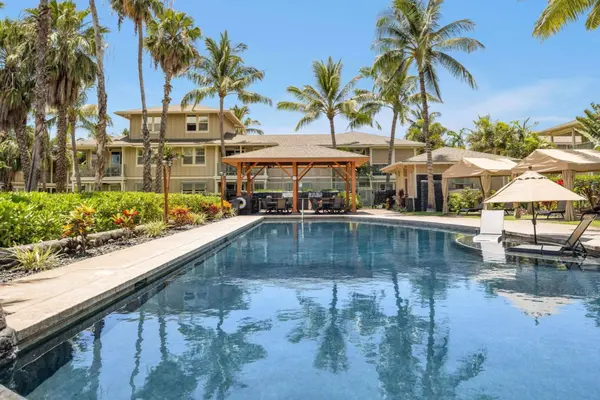
Discover Kai Ani Village: Coastal Living in the Heart of Kihei
Discover Kai Ani Village: Coastal Living in the Heart of Kihei Tucked into the heart of Kihei, Kai Ani Village offers something a little different: a thoughtfully designed residential community with a neighborhood feel, resort-style amenities, and an exceptionally convenient central Kihei location.