
Moving to Kihei means planning for a South Maui lifestyle with higher-than-national living costs, a wide mix of condominium and home choices, and daily routines shaped by beach access and island travel. In the Kihei postal-city sales dataset, the median closed sale price was $959,500 as of July 2026. Kihei is a census-designated place in Maui County, not an incorporated city, and the boundaries used for housing, demographic, and market figures can differ. The Kihei postal city also takes in neighboring South Maui addresses that share the Kihei mailing address, so market figures can cover a wider area than the Kihei census-designated place. That distinction matters when comparing costs, commute patterns, and housing options before a move.
Kihei: Quick Overview
- Population: Kihei CDP had 21,423 residents in the 2020 U.S. Census.
- Median home sale price: $959,500 in the Kihei postal-city sales dataset, as of July 2026.
- Cost of living: Local costs are generally above the U.S. average, especially for housing and island-shipped goods.
- State income tax: Hawaii has a progressive individual income-tax system with brackets that vary by filing status and taxable income.
- Climate: Kihei sits on Maui's dry leeward side, with average daily highs generally running from around 80°F in winter to the upper 80s°F in late summer.
- Lifestyle draw: Everyday access to beaches, ocean recreation, and outdoor time is a central part of life in South Maui.
Kihei by the Numbers
| Metric | Reported value |
|---|---|
| Median home sale price | $959,500, Kihei postal-city sales dataset, July 2026 |
| Median household income | $87,772, Kihei CDP, 2020-2024 ACS |
| Cost-of-living context | Generally above the U.S. average |
| Maui County unemployment rate | 2.9%, August 2026 |
Housing figures use the Kihei postal-city sales dataset, while household income uses the U.S. Census Bureau's Kihei CDP profile. The August 2026 Maui County unemployment figure is not seasonally adjusted and is reported through the State of Hawaii's labor-market data.
Why People Are Moving to Kihei from the Mainland
Moving to Kihei from the mainland is usually a lifestyle decision that requires a realistic island-cost budget. Warm conditions, beach access, and a housing mix that includes condominiums, townhome-style residences, and detached homes are major draws for retirees, second-home buyers, remote workers, and families.
The tradeoff is that Kihei is not a low-cost substitute for every mainland market. The Kihei CDP's 2020-2024 median household income was $87,772 in 2024 dollars, while the local postal-city sales dataset reported a $959,500 median sale price in July 2026. Hawaii also uses a progressive individual income-tax structure, so households should compare their own taxable income, residency plans, travel expenses, shipping costs, insurance, and housing needs with current Hawaii income-tax schedules.
For location-flexible professionals, Kihei can work when the exact home has dependable internet service and enough dedicated workspace. For households seeking local employment, visitor-serving businesses, retail, construction, healthcare, education, and property-related services are important parts of the Maui economy. The most useful early step is to define a full monthly budget before narrowing areas within Kihei.
Cost of Living: Kihei vs. the Mainland
Mainland costs vary widely by state and metro, so a single comparison would be misleading. This table uses available Kihei figures and points out where you will want to compare against your current market.
| Expense category | Kihei | Mainland comparison |
|---|---|---|
| Median home price | $959,500 median closed sale price, Kihei postal-city sales dataset, July 2026 | Varies by state and metro, compare with your current market |
| Cost of living | Generally above the national average | National benchmark |
| State income tax rate | Progressive Hawaii system | Depends on state |
| Property tax | Maui County FY2026-27 owner-occupied rate of $1.65 per $1,000 of net taxable assessed value, up to $1.5 million, for primary residences that qualify for the homeowner exemption | Varies by jurisdiction |
Sources: Kihei postal-city sales dataset, as of July 2026, Maui County Resolution No. 26-69 (FY2026-27 real property tax rates), Hawaii Department of Taxation. Obtain current rental, fuel, and grocery figures for the specific areas being compared.
What Your Budget Buys in Kihei
Kihei budgets buy very different property types, and the July 2026 local sales dataset ranged from $80,000 to $9 million. That wide range should be treated as market context, not a promise that any particular price point will have available inventory.
At an entry-level budget, many buyers concentrate on compact condominium residences, older buildings, or homes requiring compromises on size, finishes, parking, or location. This can suit downsizers, second-home buyers, and households that value lower-maintenance ownership over a large private yard.
Mid-range budgets may open more choices among updated condos, townhome-style homes, and established detached residences. Buyers relocating for a full-time move often prioritize bedrooms, storage, parking, a flexible work area, and practical access to groceries, beaches, and everyday services.
Upper-tier budgets can include larger detached homes, enhanced privacy, upgraded outdoor areas, ocean-view settings, or premium finishes. For luxury buyers, square footage matters less than how the property, its access route, its association rules where applicable, and its location support everyday life.
Neighborhoods and Communities in Kihei
Kihei is commonly understood in North, Central, and South Kihei areas, each with a different balance of housing types, beach access, and travel patterns. Current prices are property-specific, but the Kihei postal-city market recorded sales from $80,000 to $9 million as of July 2026.
North Kihei offers a practical location for people who expect frequent trips to the airport and other parts of the island. Housing includes condominium communities, townhome-style options, and detached-home pockets. It can suit commuters and buyers who want to test their usual travel route before committing.
Central Kihei places residents near many daily services, restaurants, parks, and beach areas. Condominiums and detached homes both appear here, with values influenced by condition, parking, amenities, and distance from the shoreline. It can suit households who prefer a convenient, active daily rhythm.
South Kihei is often a priority for buyers who want beach-oriented routines and nearby outdoor recreation. Condominiums are common, along with residential streets of detached homes. Retirees, second-home owners, and remote workers may value the ability to combine errands, exercise, and ocean time in a normal weekday.
Review the active mix of homes and listings alongside association documents, parking arrangements, and access routes for each individual property.
Renter or Buyer: What Newcomers to Kihei Typically Do First?
Relocators who have not spent meaningful time in Kihei often choose a short-term rental first, while buyers with a clear property type, location preference, and long-term plan may buy from a distance. The better choice depends on how certain a household is about its daily routine, not simply on the calendar.
The Kihei CDP had a 59.3% owner-occupancy rate in the 2020-2024 American Community Survey. That is useful area context, but it does not indicate the supply of long-term rentals, the availability of a particular condominium, or the pace of a current home search. The local sales dataset shows that closed-sale prices can vary widely by property type and location.
Buying immediately can work for a household that has already visited, understands its preferred building or neighborhood pattern, and can review documents and video tours carefully. Renting first can provide time to test traffic, beach access, parking, shopping trips, and the practical difference between North, Central, and South Kihei.
A concrete decision tip: choose a rental-first approach if you cannot yet name the property type, daily travel route, and building or home setting you would be comfortable owning for several years.
Jobs, Economy, and Remote Work in Kihei
Kihei's employment base is closely connected to visitor-serving work, retail, construction, property-related services, healthcare, and public services.
Maui County's unemployment rate was 2.9% in August 2026, based on state labor-market reporting. For common relocator professions, the local market may be more specialized than a large mainland metro, particularly for office-based roles. Remote workers should verify internet availability, mobile coverage, and backup-work options at the exact address.
Kihei is within driving distance of the island's main commercial and government centers, where many island services, employers, and airport connections are located. A route that appears short on a map can feel different during peak travel periods, so commute testing should be part of an in-person visit.
Schools, Healthcare, and Everyday Life in Kihei
Kihei families use Hawaii's statewide public-school system, with public, charter, and private options to consider. Local choices include Kīhei Elementary School, Kamaliʻi Elementary School, Lokelani Intermediate School, Kihei Public Charter School, and Montessori Hale O Keiki. School ratings are only one consideration alongside enrollment, programs, transportation, and current attendance rules, so confirm boundaries and availability directly with the Hawaii Department of Education or each school before choosing a home.
Maui Memorial Medical Center is the island's primary acute-care hospital, with inpatient services and an emergency department that is open 24 hours a day. Outpatient care is also available in Kihei, including a Kaiser Permanente clinic on South Kihei Road for family medicine, pediatrics, and internal medicine, but households should confirm provider availability and insurance participation before moving.
Daily errands in Kihei include grocery shopping, restaurants, retail services, fitness options, and beach parks. Larger errands, hospital visits, and airport trips often involve driving beyond Kihei. Traffic can shape a weekday, particularly for residents commuting out of Kihei during morning and afternoon peak periods.
What to Know Before You Move: Kihei Practicalities
Kihei movers should plan administrative tasks early because shipping a vehicle, arranging utilities, and selecting housing can take coordination. Driver licensing and vehicle registration are administered by the County of Maui. The County's out-of-state registration requirements explain the process for transferring an out-of-state vehicle, while current documents, inspections, appointments, and fees should be confirmed directly before applying.
Utility setup varies by address and building. Ask the owner, manager, or seller which electric, water, internet, and mobile providers serve the property, whether equipment is installed, and whether deposits or transfer fees apply.
Condominiums are a significant part of the Kihei housing mix. Association fees vary widely based on insurance, utilities, maintenance, amenities, reserve funding, and building age. Review current fee schedules and association documents for the specific property rather than relying on a market-wide estimate.
Kihei sits on Maui's dry leeward side, with long-term gauge records averaging roughly 11 to 13 inches of rain per year, but climate exposure and insurance needs remain property-specific. Review flood information, hazard disclosures, and insurance availability for the exact parcel.
Ready to Make the Move to Kihei?
Jyoti Graziano, a licensed Realtor (Hawaii License RS-81732), provides South Maui relocation guidance for buyers considering Kihei condominium communities, detached homes, and day-to-day location tradeoffs. For a focused conversation about your move, contact Jyoti at 808-793-6181 or jyoti@mauiluxeproperties.com.
Frequently Asked Questions: Moving to Kihei
Is Kihei a good place to relocate from the mainland?
Kihei can be a strong fit for people who prioritize warm weather, beach access, and a South Maui routine, provided their budget accounts for island housing and everyday costs. The local sales dataset reported a $959,500 median closed sale price in July 2026, so housing planning should begin before a move is finalized.
How does the cost of living in Kihei compare to where I'm moving from?
Kihei's costs are generally above the U.S. average, particularly for housing and goods transported to the island. A useful comparison requires your specific city or metro, along with current rent, income-tax, property-tax, insurance, transportation, and grocery figures.
What are the best neighborhoods in Kihei for families, retirees, or remote workers?
North Kihei may appeal to households making frequent trips across the island, Central Kihei suits buyers seeking nearby services, and South Kihei often appeals to beach-oriented retirees and remote workers. The right choice depends on the home type, parking, work setup, and daily route that best match your routine.
How long does it take to find and close on a home in Kihei?
The timeline varies with property type, available inventory, financing, and how specific a buyer is about location and building requirements. Buyers can reduce surprises by identifying their preferred home style, reviewing association documents early, and allowing time for virtual tours and in-person location checks.
What should I budget beyond the home price when moving to Kihei?
Plan for shipping, temporary lodging if needed, utilities, insurance, vehicle transfer costs, furnishings, and any condominium association fees. The $959,500 July 2026 median closed sale price is a useful market reference, but each property's carrying costs should be reviewed individually.
FROM OUR BLOG

Central Maui Trails, Parks & Outdoor Recreation
Central Maui doesn't get talked about the way South Maui or West Maui do, and honestly, that's part of its appeal. Kahului, Wailuku, and Māʻalaea sit inside one of the most trail-rich, ecologically diverse pockets of the island, and for the people who live there, that access isn't a weekend plan. It
Discover Kai Ani Village: Coastal Living in the Heart of Kihei
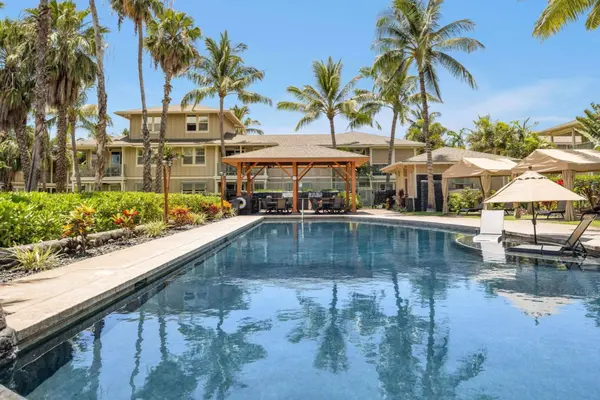
Discover Kai Ani Village: Coastal Living in the Heart of Kihei Tucked into the heart of Kihei, Kai Ani Village offers something a little different: a thoughtfully designed residential community with a neighborhood feel, resort-style amenities, and an exceptionally convenient central Kihei location.
Relocating to Maui vs Vacationing in Maui: Key Differences Buyers Should Know
Vacationing in Maui has a way of quietly reshaping what you think everyday life could feel like. The light, the water, the pace of things. It's easy to start doing the math in your head between cocktails at a Wailea beach bar. But relocating to Maui is a fundamentally different commitment, one that