
Central Maui, anchored by Kahului, Wailuku, and the tucked-away harbor village of Maʻalaea, is the island's most practical and underrated place to put down permanent roots. Single-family homes here typically trade at a meaningful discount to Maui's resort coasts, meaning buyers gain real square footage, genuine infrastructure, and master-planned community living without sacrificing the island lifestyle they came for. If you're planning a move to Central Maui and want to buy smart, here's what you need to understand before you make an offer.
Why Central Maui Beats the Resort Corridors for Full-Time Living
For full-time residents, Central Maui outperforms resort corridors on price, infrastructure, and regulatory stability, three factors that matter far more than beach proximity once you're building a real life here. The region is the island's commercial, medical, and administrative hub, and for buyers who want to build genuine community rather than perpetually feel like they're on vacation, that distinction matters enormously.
Kahului is home to Maui's major commercial airport (OGG), a deep-water harbor, Costco, Target, the University of Hawaii Maui College, and Maui Memorial Medical Center. Wailuku, the historic county seat, sits just minutes away and offers a walkable downtown with local galleries, weekend farmers' markets, and neighborhood cafes tucked into older storefronts. Maʻalaea, to the south, is a small harbor community perched where the isthmus narrows to meet the ocean, offering a front-row seat to some of the best whale-watching waters on earth during the December through April season.
Together, these three communities give relocators something rare on Maui: genuine daily infrastructure, generally lower HOA overhead than coastal condo buildings, and a neighborhood feel that doesn't evaporate once tourist season ends.
Central Maui Neighborhood Breakdown: Where Should You Buy?
The right neighborhood in Central Maui depends entirely on how you want to live day-to-day. Here's a side-by-side snapshot, followed by a ground-level read on each pocket.
| Kahului (Maui Lani) | Wailuku (Kehalani) | Maʻalaea | |
|---|---|---|---|
| Property type | Single-family, gated enclaves | Single-family, gated townhomes | Oceanfront condominiums |
| Luxury price range | Upper $900s to $1.5M+ | Upper $900s to $1.3M+ | Entry-level to upper-tier oceanfront |
| HOA fees (approx.) | $60 to $120/month | $60 to $120/month | Varies by complex |
| Key lifestyle draw | Golf course, bi-coastal views | Hillside breezes, Haleakalā views | Oceanfront, whale watching |
| Drive to beach | 5 to 15 min (North Shore) | 10 to 20 min | Directly on the water |
| Drive to airport (OGG) | 5 min | 10 min | 15 min |
Kahului: Central Maui's Best-Equipped Luxury Address for Full-Time Residents
Kahului is Central Maui's most complete luxury address for owner-occupants, built around the Maui Lani master-planned community, roughly 3,700 homes spread across 1,000 acres centered on the Dunes at Maui Lani Golf Course. Its gated enclaves, including The Islands, The Bluffs, and Sandhills Estates, offer custom and semi-custom homes with manicured streetscaping and views that stretch toward both coastlines on a clear day.
Homes here have generally traded in the upper $900s to $1.5 million-plus range in recent listing activity, with well-priced, move-in-ready homes in the gated enclaves continuing to draw competitive interest even as the broader island market has cooled. For luxury buyers specifically, the gated subdivisions offer architectural controls and privacy that comparable coastal products rarely provide at this price band.
Wailuku: Hillside Character and the Kehalani Premium
Wailuku's most sought-after address is Kehalani, a master-planned hillside community set against the slopes of the West Maui Mountains. Sitting at a slightly higher elevation than central Kahului, Kehalani captures consistent trade-wind breezes and cooler temperatures, a noticeable upgrade during summer months. Homes here range from well-maintained single-family residences to the Villas at Kehalani, a gated luxury townhome enclave with views toward Haleakalā, the harbor, and the North Shore coastline.
HOA fees in Kehalani and Maui Lani tend to run modest by Maui standards, often somewhere in the $60 to $120 per month range, because these communities don't carry the elevator banks, resort pools, or saltwater infrastructure that push coastal condo fees higher. That savings goes a long way toward your actual mortgage.
Outside Kehalani, Wailuku's historic downtown streets offer character-rich older homes, some with larger lots and potential for accessory dwelling units (ohana apartments), a practical option for offsetting carrying costs with long-term rental income. If you're considering any exterior renovation to a property within Wailuku's historic district, confirm review requirements early, as certain projects may require a Historic District Assessment.
Maʻalaea: Oceanfront Quiet on the Isthmus
Maʻalaea is an outlier in the Central Maui story, a small coastal harbor community where a cluster of oceanfront condo developments line a south-facing shore. Complexes such as Maʻalaea Surf, Kanai A Nalu, and Maʻalaea Banyans represent the spectrum of oceanfront living here. Entry-level one-bedroom units start in the mid-to-upper six figures, while upper-tier two-bedroom oceanfront residences, the kind with direct ocean views and premium exposures, have traded well into the $800,000 to $1 million-plus range. Inventory across these buildings tends to run tight; when a desirable unit surfaces, it tends to attract buyers who have been watching the market island-wide.
This is not a resort strip. It's quiet, windswept, and distinctly local. Residents wake up to open-ocean views, watch humpback whales breach offshore from late December through April, and experience some of the fastest wind conditions in the Pacific. For the buyer who wants privacy and ocean exposure with easy access to both Wailea's dining scene (about a 15-minute drive south) and Central Maui's full infrastructure (about 10 minutes north), Maʻalaea occupies a genuinely unique niche on the island.
The Real Cost of Buying in Central Maui: What Buyers Need to Know
Buying in Central Maui involves several cost categories beyond the purchase price: property taxes, closing costs, homeowner insurance, and utilities, each with Hawaii-specific dynamics that differ materially from mainland norms. Here's what to plan for.
Property Taxes: Central Maui's Hidden Advantage
Hawaii's property tax system is tiered by use classification, and Maui County's FY2026-2027 rates (effective July 1, 2026) represent a genuine advantage for owner-occupants. Per Maui County Resolution No. 26-69, primary-residence owners pay:
-
Tier 1 (up to $1,500,000 assessed): $1.65 per $1,000 of assessed value
-
Tier 2 ($1,500,001 to $4,500,000): $1.80 per $1,000
-
Tier 3 (over $4,500,000): $5.00 per $1,000
The homeowner exemption reduces your taxable assessed value by $200,000 and simultaneously qualifies the property for the owner-occupied rate tier (an additional long-term rental exemption on a qualifying ohana unit can raise the combined reduction to $300,000). Applied to a Central Maui home assessed at $1,150,000, your taxable base drops to $950,000, well within Tier 1, producing an annual tax bill of roughly $1,568 at the $1.65 rate. That's not a typo. Hawaii consistently ranks among the lowest effective property tax states in the country for primary residents.
Non-owner-occupied and second-home buyers face a very different calculus. Under FY2026-2027 rates, properties assessed between $1,000,001 and $2,500,000 without the homeowner exemption are taxed at $9.00 per $1,000, more than five times the owner-occupied Tier 1 rate. This distinction is critical if your move timeline involves a rental period before occupancy, or if you're purchasing a second home. File your homeowner exemption with Maui County as early as your purchase closes; the deadline to file for the following tax year is December 31.
Note: Tax rates and exemption amounts are set annually by the Maui County Council and can change. Confirm the current-year schedule and your specific classification with the Real Property Assessment Division (808-270-7297) before finalizing your purchase budget.
Closing Costs and Conveyance Tax
Hawaii has a few closing-cost conventions that catch mainland buyers off guard. Chief among them: Hawaii's state conveyance tax, which applies to real estate transfers and scales with sale price, is customarily paid by the seller, not the buyer, though this is negotiable and should be confirmed in your purchase contract.
As the buyer, your own closing costs typically run in the range of 1 to 2% of the purchase price, covering items like lender fees (if financing), appraisal, inspection, escrow fees (often split with the seller), and prepaid items such as property taxes and insurance. Your lender's loan estimate and your escrow officer will itemize these precisely once you're under contract.
Insurance and Utility Realities
Island construction, trade-wind exposure, and Hawaii's geographic remoteness drive homeowner's insurance premiums above mainland equivalents. Factor in a meaningful buffer for your first year as you shop carriers familiar with Hawaii's market. Utilities, particularly electricity, run higher than most mainland states given the island grid. Newer master-planned neighborhoods like Maui Lani and Kehalani often have more energy-efficient builds, which helps offset this over time.
The Central Maui Lifestyle: What Relocators Actually Need to Know
Moving to Central Maui is not the same as moving to a beach resort, and for most full-time buyers, that's the point. You gain access to everything the island offers without the price premium, the tourist density, or the regulatory uncertainty that increasingly defines resort-corridor ownership.
You're Minutes from Multiple Worlds
Central Maui's isthmus position is its single greatest lifestyle asset. From Kahului or Wailuku, you're roughly:
-
5 to 15 minutes from Kanaha Beach Park and Baldwin Beach on the North Shore
-
15 to 20 minutes from the calm, sunny shores of South Maui (Kihei and Wailea)
-
25 to 30 minutes from West Maui's resort corridor
-
20 minutes from the Haleakalā National Park highway entrance
You don't live at the beach, but you live closer to more of Maui's beaches than virtually any other residential address on the island.
Schools, Healthcare, and Daily Infrastructure
Central Maui functions as the island's service backbone. Maui Memorial Medical Center, the island's primary hospital, and Kaiser Permanente's main facility are both located here, which matters considerably for families and anyone building a long-term life. The island's highest concentration of public and private school options sits in Central Maui as well; Maui Lani, for instance, sits within the Pomaikai Elementary School boundary, consistently among the more sought-after in the island's public system. For families moving to Central Maui, it's worth letting school boundaries guide your neighborhood shortlist rather than the other way around.
The Regulatory Stability Advantage
One factor buyers increasingly weigh in Central Maui purchases: regulatory insulation. Because Kahului and Wailuku are zoned predominantly for residential rather than resort use, they are not subject to the short-term vacation rental regulatory shifts affecting West and South Maui's apartment-zoned condominium market under Bill 9 and Bill 88. Buyers who want a straightforward primary residence without exposure to vacation-rental policy volatility consistently find Central Maui to be one of the more predictable positions on the island.
What the Central Maui Market Looks Like Right Now
As of mid-2026, Central Maui's Kahului and Wailuku submarkets have generally traded below the island-wide single-family median, which stood at $1,150,000 in July 2026 according to the Realtors Association of Maui, down 12.5% from July 2025. Homes island-wide spent a median of 135 days on market in July, and inventory has grown meaningfully compared to the tighter years of the recent past, giving buyers more time to evaluate a purchase carefully and negotiate from a position of information rather than urgency.
That said, gated luxury subdivisions in Maui Lani have continued to see competitive activity even as the broader market has cooled, confirming that well-presented homes in premium locations still attract real interest regardless of island-wide softening.
For buyers arriving with mainland equity to deploy, this may be one of the more deliberate and well-positioned entry windows Central Maui has offered in several years.
Is Central Maui Right for Your Move?
Central Maui's case for full-time buyers comes down to a simple equation: more home, more infrastructure, and more long-term ownership stability, at a price point that consistently undercuts the resort coasts. Whether you're drawn to Maui Lani's master-planned golf course enclaves, Kehalani's hillside trade-wind retreats, or Maʻalaea's intimate oceanfront, this is where Maui residents live. For buyers who want to move to Central Maui and get it right the first time, understanding the neighborhoods, the true cost of ownership, and current market dynamics is the only logical starting point.
If you're still weighing Central Maui against South Maui's coastal lifestyle, my broader look at relocating to Wailuku and Kahului covers some of the same ground from a slightly different angle and is worth reading alongside this one.
Frequently Asked Questions About Moving to Central Maui
-
How far is Central Maui from the beach?
Central Maui is not on the beach, but it offers exceptional access to multiple coastlines. Kanaha Beach Park and Baldwin Beach Park are 5 to 15 minutes north. Kihei and Wailea's calm South Maui shores are 15 to 20 minutes south via Mokulele Highway. Most Central Maui residents reach a beach faster than they'd reach a comparable amenity in many mainland suburban markets.
-
Are there luxury homes in Kahului and Wailuku?
Yes, and more than most mainland buyers expect. Central Maui's Maui Lani community includes gated enclaves such as The Islands, The Bluffs, and Sandhills Estates, with custom homes, golf-course frontage, and strong long-term demand. In Wailuku, the Villas at Kehalani represent the hillside luxury tier, offering gated living with views toward Haleakalā. Recent listing activity has generally put the luxury price band in Central Maui somewhere in the upper $900s to $1.5 million-plus range, with select custom builds reaching higher.
-
What should I know about Central Maui property taxes as a primary resident?
Maui County's homeowner exemption reduces your taxable assessed value by $200,000 and reclassifies your property into the owner-occupied rate tier, currently $1.65 per $1,000 for properties assessed up to $1,500,000 under FY2026-2027 rates. On a home assessed at $1,150,000, that exemption brings your taxable base to $950,000 and your annual tax bill to roughly $1,568. File the exemption by December 31 of the year before it should take effect; it is not applied automatically, and timing matters given that non-owner-occupied properties face rates several times higher.
-
Is Maʻalaea part of Central Maui?
Yes. Maʻalaea is considered part of the Central Maui region, situated at the southern tip of the isthmus where the island's two volcanic shields meet the sea. It's a distinct community from Kahului and Wailuku, characterized almost entirely by oceanfront condominiums and a small boat harbor. It draws buyers who want ocean exposure and privacy, with the added benefit of proximity to both Wailea's amenities to the south and Central Maui's full-service infrastructure to the north.
-
How competitive is the Central Maui luxury market compared to the rest of Maui?
Central Maui's single-family luxury market has remained comparatively active, particularly in master-planned communities. While the broader Maui market has softened from its 2022-2023 peak pricing, well-presented homes in Maui Lani and Kehalani have continued to close competitively. For buyers targeting Central Maui single-family homes in the $1 million to $1.5 million range, having financing pre-approved and your due-diligence process organized before you begin touring is essential.
Jyoti Graziano is a REALTOR® (Hawaii License RS-81732) with eXp Realty, serving buyers and relocation clients throughout Maui.
FROM OUR BLOG

Central Maui Trails, Parks & Outdoor Recreation
Central Maui doesn't get talked about the way South Maui or West Maui do, and honestly, that's part of its appeal. Kahului, Wailuku, and Māʻalaea sit inside one of the most trail-rich, ecologically diverse pockets of the island, and for the people who live there, that access isn't a weekend plan. It
Discover Kai Ani Village: Coastal Living in the Heart of Kihei
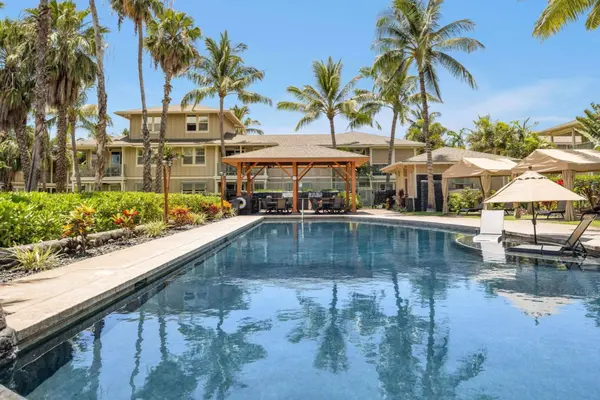
Discover Kai Ani Village: Coastal Living in the Heart of Kihei Tucked into the heart of Kihei, Kai Ani Village offers something a little different: a thoughtfully designed residential community with a neighborhood feel, resort-style amenities, and an exceptionally convenient central Kihei location.
Relocating to Maui vs Vacationing in Maui: Key Differences Buyers Should Know
Vacationing in Maui has a way of quietly reshaping what you think everyday life could feel like. The light, the water, the pace of things. It's easy to start doing the math in your head between cocktails at a Wailea beach bar. But relocating to Maui is a fundamentally different commitment, one that